Understanding 1 Page Infographic Design Presentations: A Comprehensive Guide
What is a 1 Page Infographic Design Presentation?
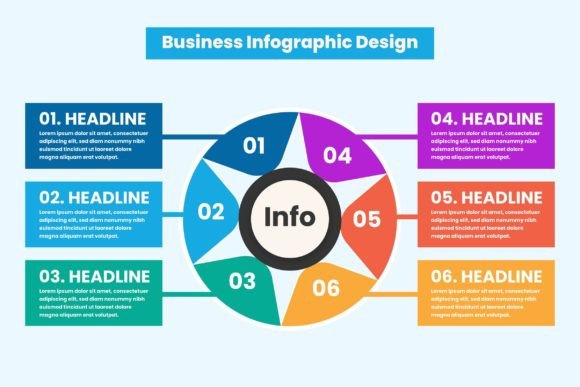
A 1 Page Infographic Design Presentation is a visually engaging and concise way to present information. This format condenses complex data, statistics, and narratives into a single, easy-to-understand page. It typically includes a mix of graphics, charts, and minimal text, making it an ideal tool for quick and effective communication.
Key Features of 1 Page Infographic Design Presentations
- High Resolution (300 dpi): Ensures that the infographic looks sharp and clear, even when printed or viewed on high-definition screens.
- RGB Color Mode: Optimized for digital viewing, providing vibrant and accurate colors.
- Easy to Edit: The design is well-organized, with layers that are easy to modify, allowing for customization without requiring advanced design skills.
- Editable Text and Color: Users can easily change the text and color schemes to match their branding or specific needs.
- Adobe Illustrator CC Compatibility: The files are compatible with Adobe Illustrator, a widely used professional design software, ensuring smooth editing and high-quality output.
- Multiple File Formats: Includes AI, EPS, PDF, PNG, and JPEG formats, providing flexibility for different use cases and platforms.
When to Use a 1 Page Infographic Design Presentation
A 1 Page Infographic Design Presentation is particularly useful in situations where you need to convey a lot of information quickly and effectively. For example, it can be used in business presentations, marketing materials, educational content, and more. The visual nature of the infographic makes it easier for the audience to grasp and remember the key points.
Strengths and Tradeoffs
Strengths:
- Visual Impact: The use of graphics and colors helps to make the information more engaging and memorable.
- Conciseness: By condensing information into a single page, it allows for quick and efficient communication.
- Versatility: Suitable for a wide range of applications, from business reports to educational materials.
Tradeoffs:
- Limited Detail: While it excels at presenting key points, it may not be suitable for in-depth analysis or detailed explanations.
- Design Skills Required: Although the template is easy to edit, some basic design skills are still needed to make the most of the template.
Comparing with Other Presentation Formats
When considering a 1 Page Infographic Design Presentation, it's important to compare it with other common presentation formats:
- Traditional Slides: PowerPoint or Google Slides presentations offer more flexibility in terms of detail and length but can be less visually engaging and harder to keep the audience's attention.
- Video Presentations: Videos can be highly engaging and allow for more dynamic storytelling but require more time and resources to produce.
- Printed Reports: Detailed and comprehensive but may not be as visually appealing or easy to share as a digital infographic.
Best-Fit Situations
A 1 Page Infographic Design Presentation is best suited for scenarios where you need to:
- Quickly communicate key points to a broad audience.
- Enhance the visual appeal of your content to make it more engaging.
- Summarize complex data or processes in a simple, understandable format. Support your message with compelling visuals and minimal text.
Limitations and Considerations
While 1 Page Infographic Design Presentations are powerful tools, they do have some limitations:
- Complex Data: They may not be the best choice for presenting highly detailed or complex data, as the single-page format can be limiting.
- Technical Requirements: Editing the template requires access to Adobe Illustrator, which may not be available to all users.
- Customization Needs: While the template is easy to edit, significant customization may require more advanced design skills.
Making the Right Choice
Choosing the right presentation format depends on your specific needs and the context in which the information will be presented. A 1 Page Infographic Design Presentation is an excellent choice when you need to make a strong, visually impactful statement. However, if you need to provide more detailed information or a more in-depth analysis, other formats like traditional slides or printed reports might be more appropriate.
Ultimately, the decision should be based on the goals of your presentation, the preferences of your audience, and the resources available to you. By understanding the strengths and tradeoffs of each format, you can make a more informed decision and choose the option that best meets your needs.