Understanding Total Productive Maintenance: A Comprehensive Guide
Introduction to Total Productive Maintenance (TPM)
Total Productive Maintenance (TPM) is a holistic approach to equipment maintenance that aims to maximize the efficiency and effectiveness of manufacturing processes. TPM involves all employees, from top management to shop floor workers, in maintaining and improving the integrity of production and quality systems. This method not only enhances the reliability and performance of machinery but also fosters a culture of continuous improvement and employee engagement.
The Purpose and Significance of TPM
The primary purpose of TPM is to eliminate losses in the production process, which can be categorized into six major types: breakdowns, setup and adjustment, idling and minor stops, reduced speed, defects and rework, and start-up losses. By addressing these losses, TPM helps organizations achieve higher productivity, better product quality, and lower costs. The significance of TPM lies in its ability to create a proactive and preventive maintenance culture, reducing downtime and extending the life of equipment.
Key Concepts of TPM
- Autonomous Maintenance: Empowering operators to take responsibility for the basic maintenance of their own equipment, such as cleaning, lubrication, and inspection.
- Planned Maintenance: Scheduling and conducting regular maintenance activities to prevent equipment failures and ensure optimal performance.
- Quality Maintenance: Implementing design and engineering solutions to improve the reliability and maintainability of equipment.
- Focused Improvement: Continuously identifying and eliminating waste and inefficiencies in the production process through small, incremental changes.
- Training and Education: Providing ongoing training and development opportunities to enhance the skills and knowledge of all employees.
- Safety, Health, and Environment: Prioritizing the safety and well-being of employees and the environment by integrating safety and environmental considerations into all TPM activities.
Practical Relevance of TPM in Modern Business
In today’s fast-paced and competitive business environment, TPM plays a crucial role in helping organizations stay ahead. By minimizing equipment downtime and improving overall equipment effectiveness (OEE), TPM enables companies to meet customer demands more efficiently and effectively. Additionally, TPM supports lean manufacturing principles by reducing waste and increasing productivity, making it an essential tool for modern businesses.
Examples and Applications of TPM
Consider a manufacturing plant that produces automotive parts. By implementing TPM, the plant can reduce the number of breakdowns and unplanned stoppages, leading to a more consistent and reliable production process. Operators are trained to perform daily checks and maintenance tasks, while the maintenance team focuses on more complex and scheduled repairs. This collaborative approach not only improves the plant's operational efficiency but also enhances the quality of the final products.
Common Misunderstandings and Clarifications
One common misconception about TPM is that it is solely the responsibility of the maintenance department. In reality, TPM is a company-wide initiative that requires the involvement and commitment of all employees. Another misunderstanding is that TPM is only about fixing machines. While maintenance is a key component, TPM also focuses on continuous improvement, employee empowerment, and overall organizational efficiency.
Building a Broader Understanding of TPM
To fully grasp the concept of TPM, it is important to understand its broader implications. TPM is not just a set of maintenance practices; it is a philosophy that promotes a culture of continuous improvement and employee engagement. By fostering a sense of ownership and responsibility among all employees, TPM helps create a more resilient and adaptable organization. Whether in manufacturing, service, or any other industry, the principles of TPM can be applied to drive excellence and innovation.
Resources and Tools for TPM Implementation
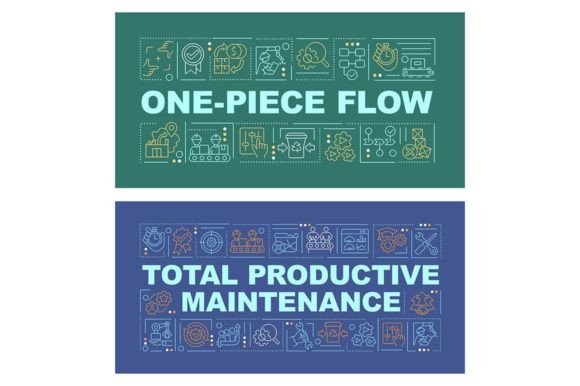
For those looking to implement TPM in their organization, there are several resources and tools available. BSD Studio offers a range of high-quality, visually appealing materials, including Total Productive Maintenance Word Banner and Total Productive Maintenance Word Concepts Banner Set. These banners, designed with a lean production focus, come in various formats (EPS, SVG, PNG, JPEG, AI) and feature infographics with icons on a colorful background. The use of Arial-Black font ensures clarity and readability, making these templates ideal for presentations, training sessions, and promotional materials.
Stay Updated with BSD Studio
To stay informed about the latest trends, topics, and discounts, consider subscribing to BSD Studio. They offer a wide range of creative solutions, including icons, brochure infographic templates, mobile app screen pages, and more. With new topics and discounts every week, BSD Studio is a valuable resource for anyone looking to enhance their understanding and implementation of TPM and other lean production concepts.
Conclusion
Total Productive Maintenance is a powerful methodology that can significantly improve the efficiency, quality, and cost-effectiveness of manufacturing processes. By involving all employees in the maintenance and improvement of equipment, TPM creates a culture of continuous improvement and empowers individuals to contribute to the success of the organization. Whether you are a beginner or an experienced professional, understanding and implementing TPM can lead to substantial benefits and a more competitive edge in the modern business landscape.